SAFETY. A RISK?
Stapferhaus
How do we balance our need for safety with the urge to take risks? From geopolitical conflicts and artificial intelligence to our private daily routines, this question defines contemporary life. Society demands total protection, yet progress is impossible without daring to fail. At Stapferhaus, we wanted to step away from distant policy papers and bring the conversation back to human scale. The challenge was clear: transform an overwhelming collective debate into an intimate, physical journey where visitors confront their own boundaries.
- Location
- Lenzburg (CH)
- Client
- Stapferhaus
- Year
- 2026
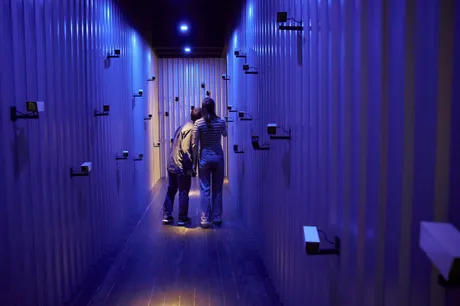
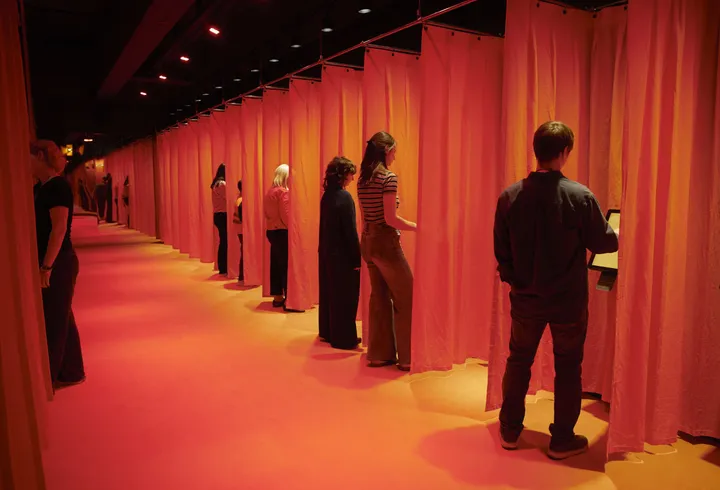
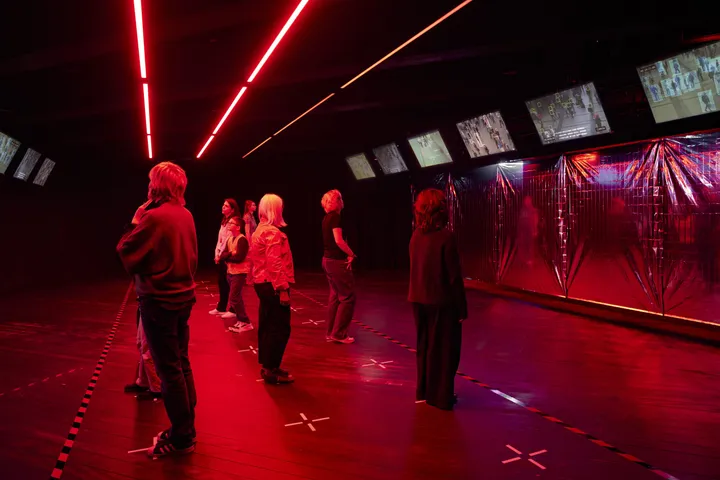
Welcome to the laboratory
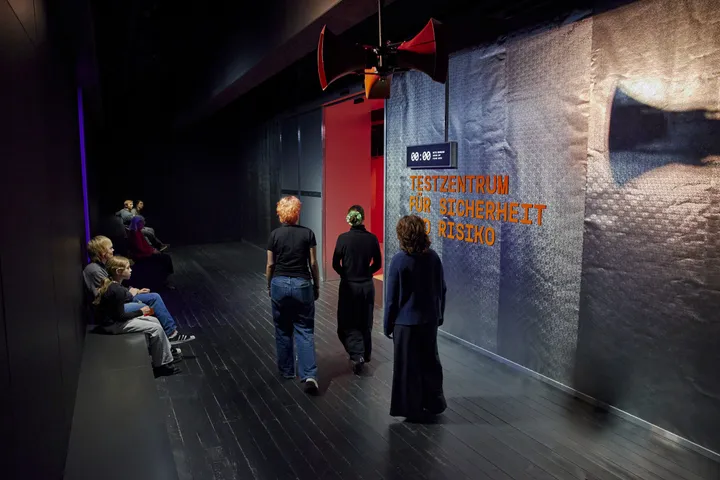
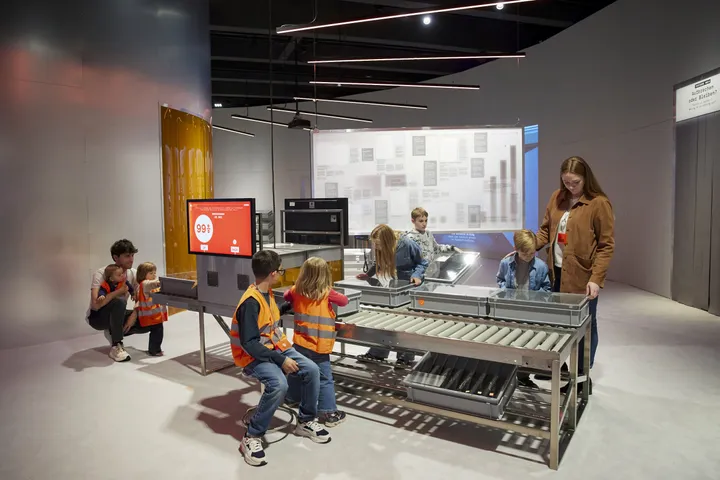
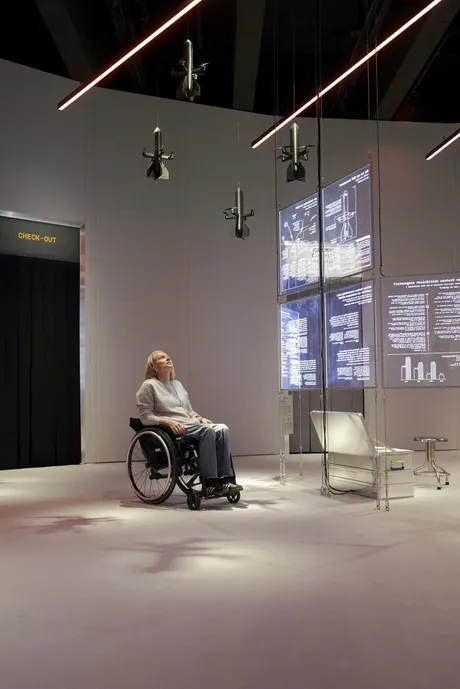
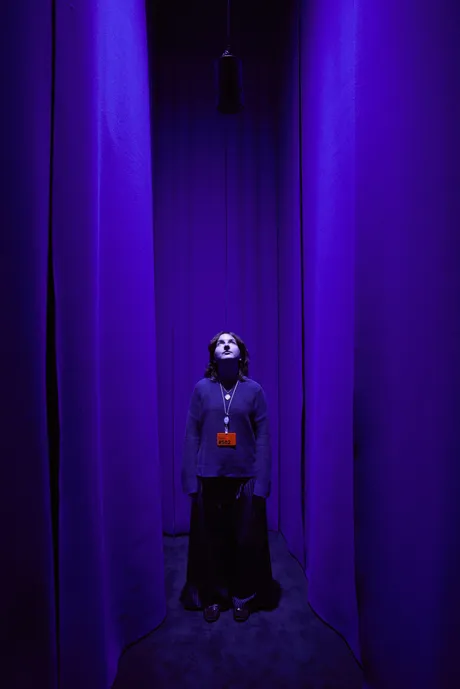
Safety and risk are not theoretical concepts. We define them through the boundaries we set every day. Our spatial concept turns the exhibition into an active testing facility. Visitors become test subjects. As a large sliding door opens, an authoritative voice over the speakers greets the group and issues personal safety badges. A shared linear introduction grounds everyone in the core dilemmas before they proceed upstairs, free to choose their own route through the various test zones.
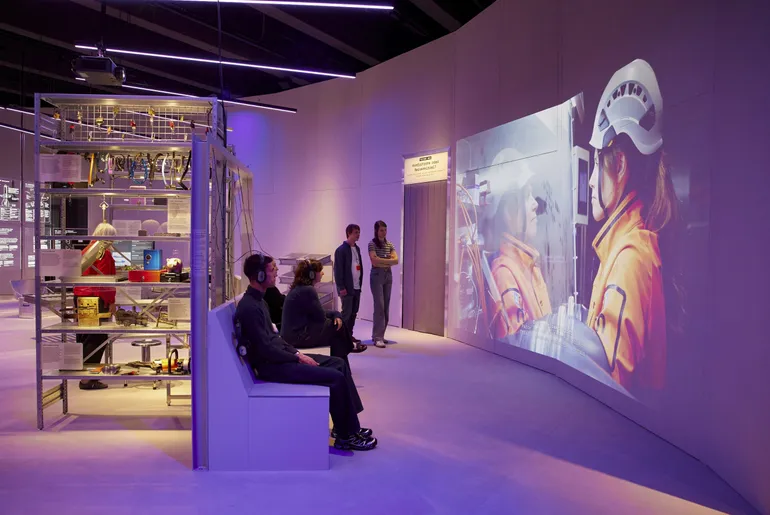
Testing boundaries on a human scale
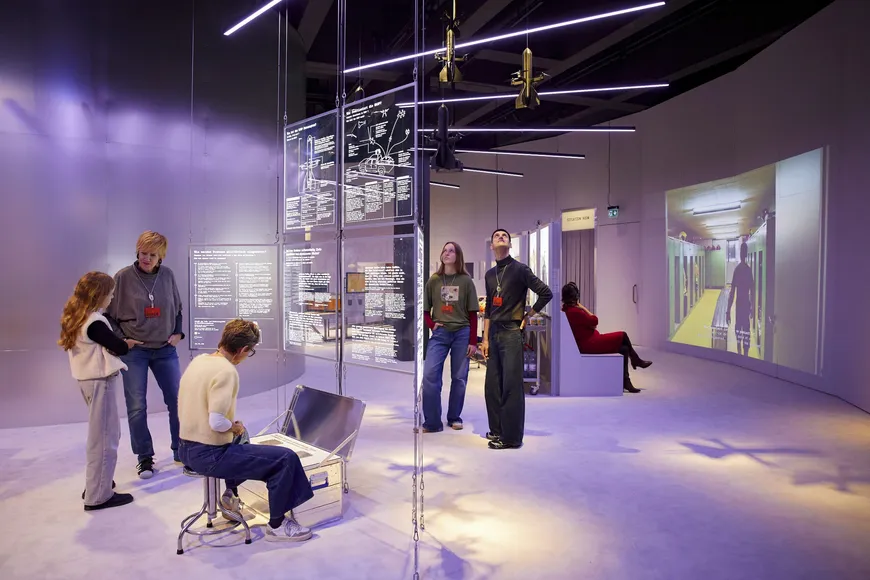
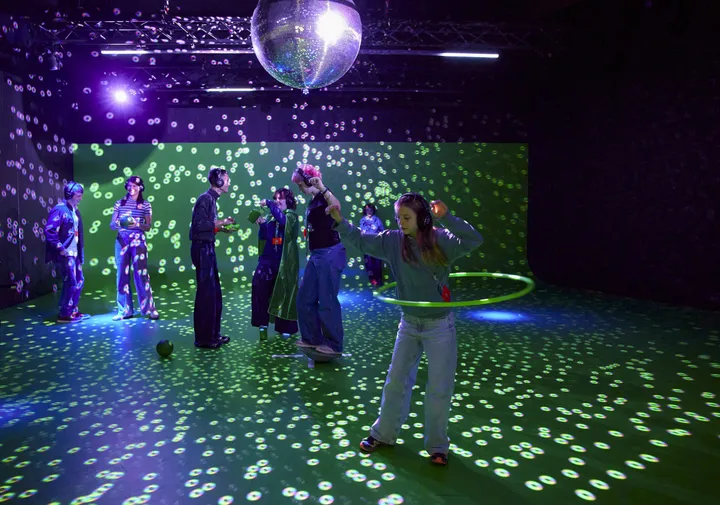
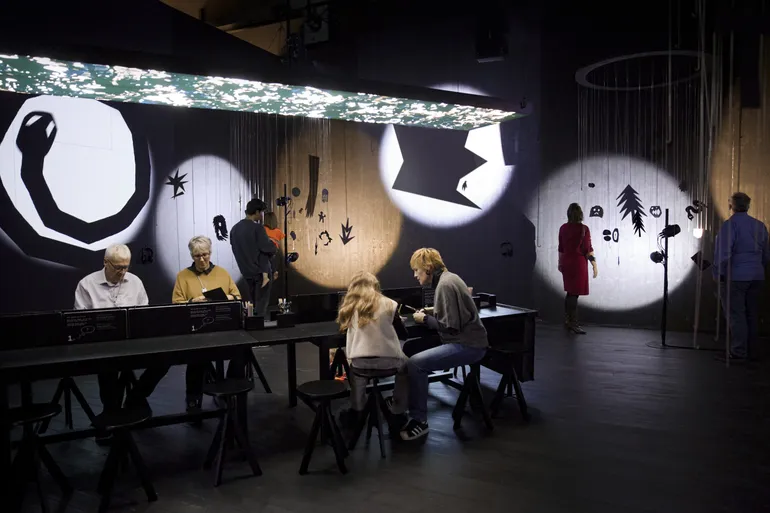
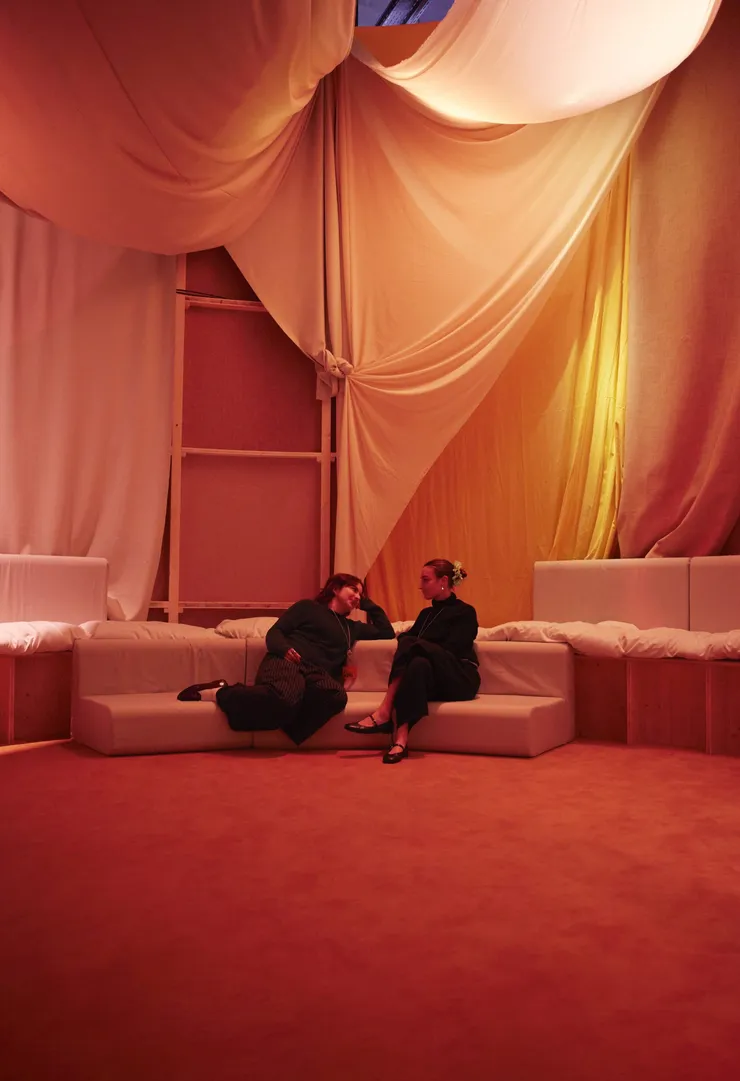
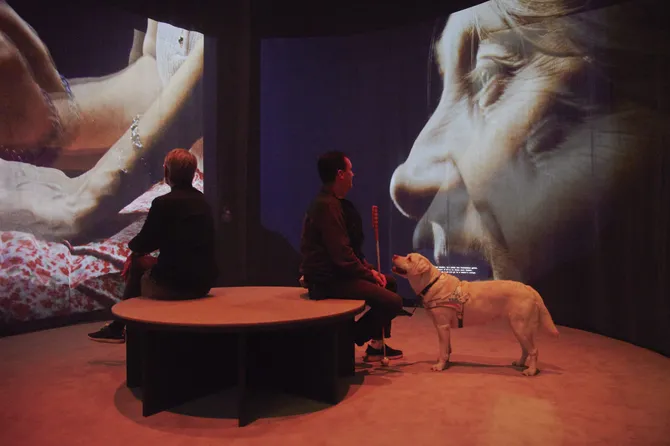
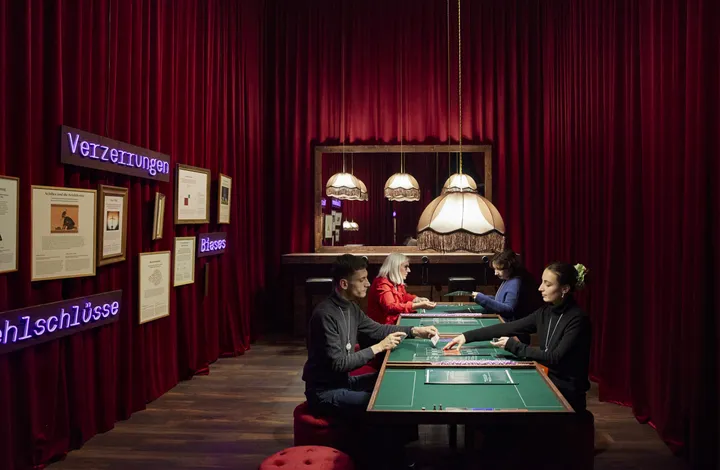
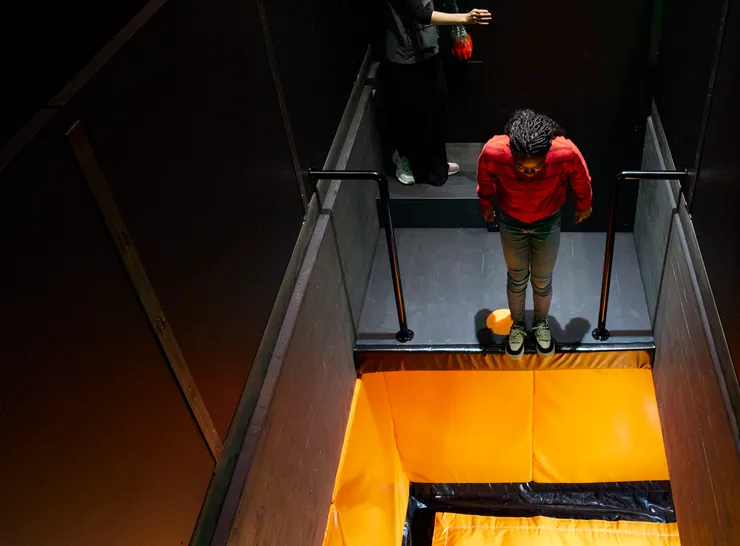
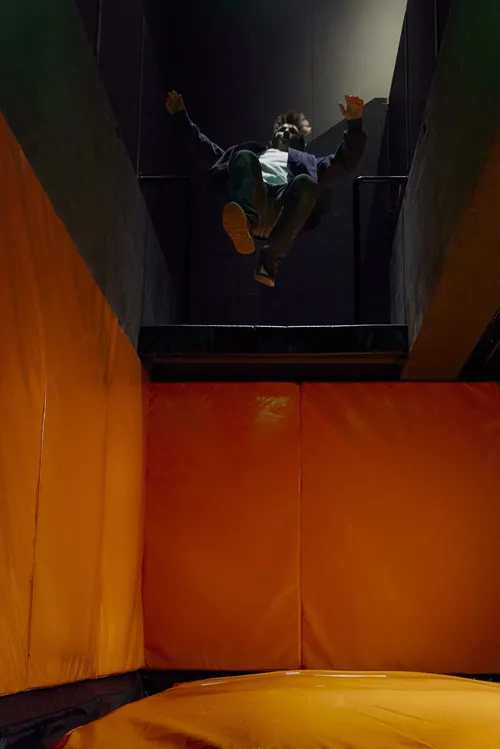
This marks our fourth exhibition for Stapferhaus. Mutual trust gave us the freedom to take bold scenographic risks. On the top floor, a landscape of contrasting atmospheres tests visitors across physical, emotional, and social dimensions. One room uses audio prompts to provoke interactions between strangers and challenges visitors to step out of their comfort zone. Another offers a quiet, darkened workshop where visitors draw and display their most intimate fears. In the central lab, visitors scan crates with all kinds of security objects to explore their ambiguous stories. Throughout the journey, video portraits of diverse professionals anchor the debate in everyday life.
Three-part collage
Collective debate
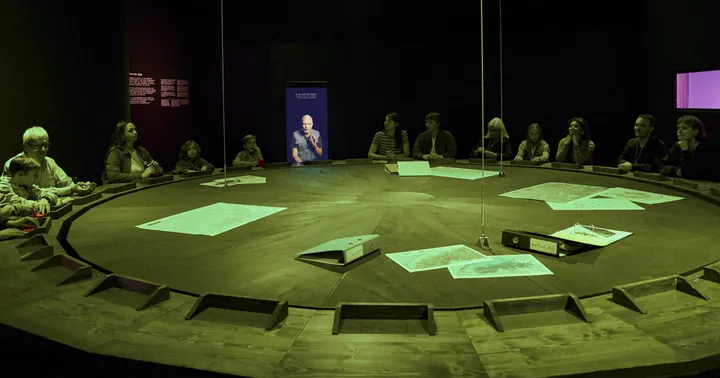
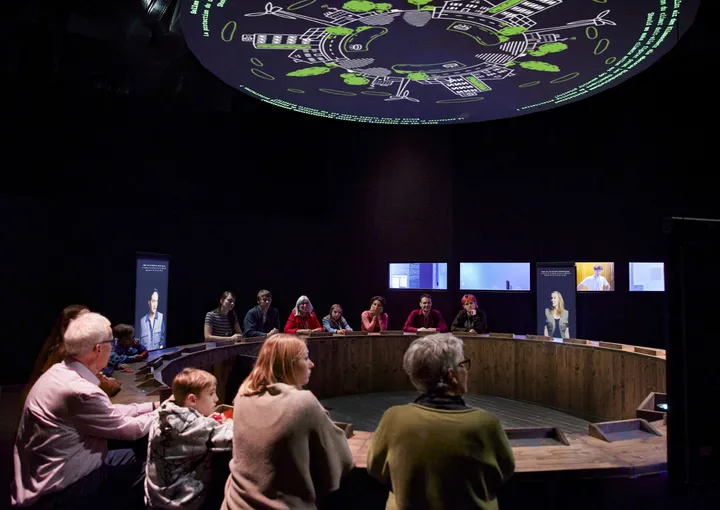
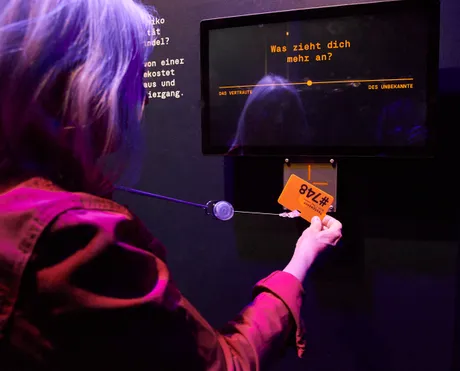
Every space confronts visitors with a dilemma and an interactive scale to log their stance on their personal badge. In the Situation Room, visitors sit at a monumental conference table to debate and vote on possible crisis scenarios. Developed with researchers conducting a nationwide study on risk appetite, every choice contributes to real data. Visitors leave with a personal risk profile that mirrors their values against the rest of society. The experience transforms a personal experiment into a lasting reflection on how much freedom we are willing to risk for collective safety.
Three-part collage
A bold visual identity
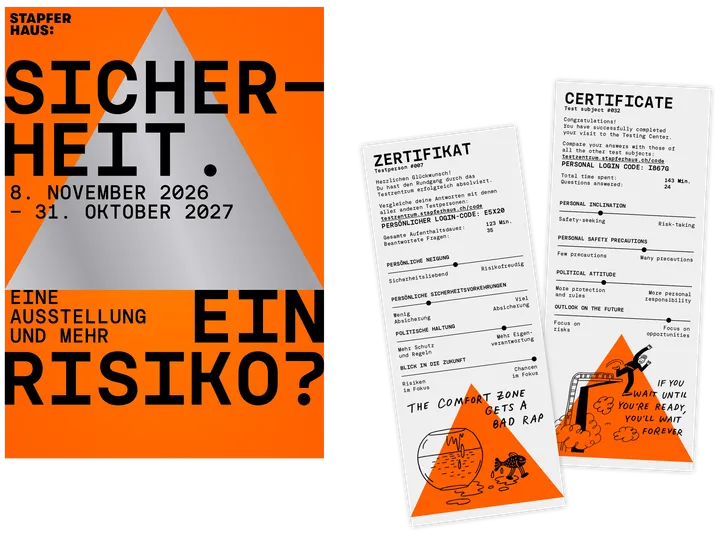
Beyond the spatial design, Kossmanndejong developed the exhibition’s visual identity and publication. The graphic style draws from security signage, combining bright ‘safety’ orange with a warning triangle that became the exhibition’s main icon.