ANIMAL THERAPY
Museum of the Mind
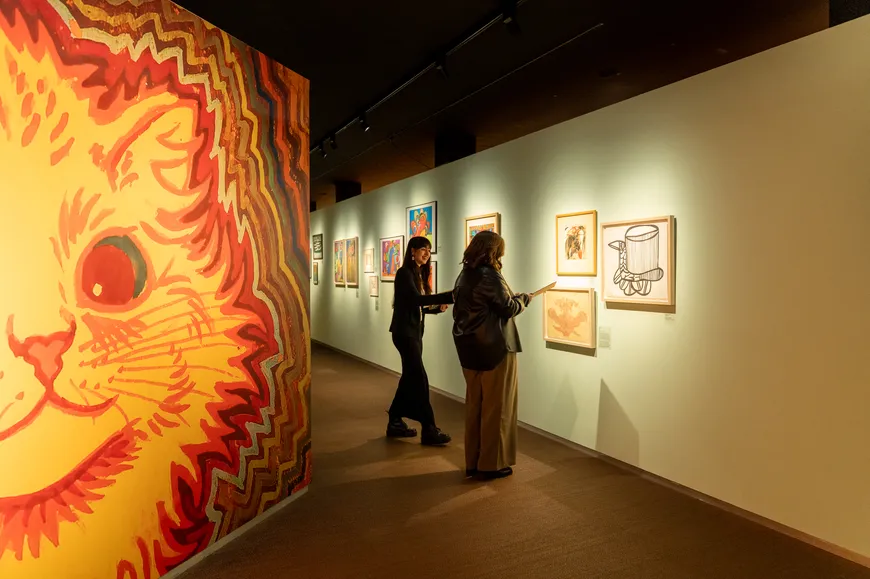
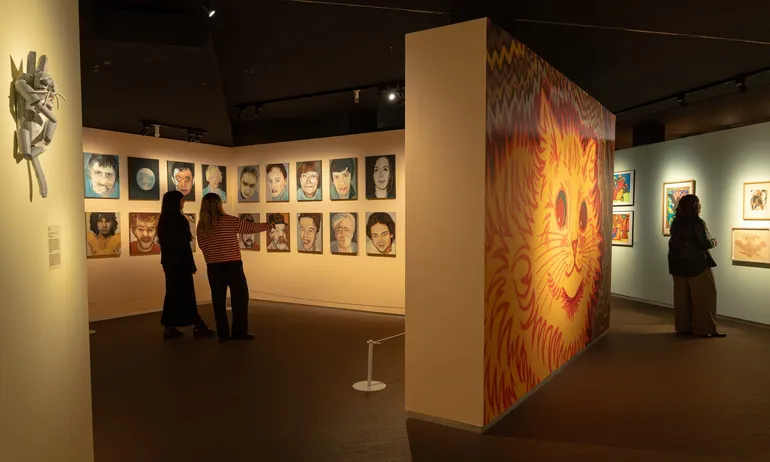
Animals can have a therapeutic effect. Who doesn’t love the comfort of a petting a dog or cuddling with a cat? There’s a reason goat yoga became so popular. In Animal Therapy, we explore how animals support human wellbeing. With a limited budget and tight timeframe, we set out to help the Museum of the Mind's team with their new exhibition plans for the Outsider Art Museum. Together we created an exhibition that celebrates our bond with animals, and the creativity it can spark.
- Location
- Amsterdam (NL)
- Client
- Museum of the Mind
- Year
- 2025
- Service
- Creative direction, spatial design
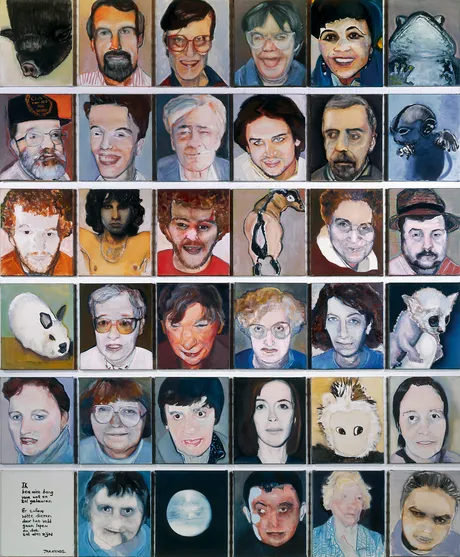
Awaken your senses
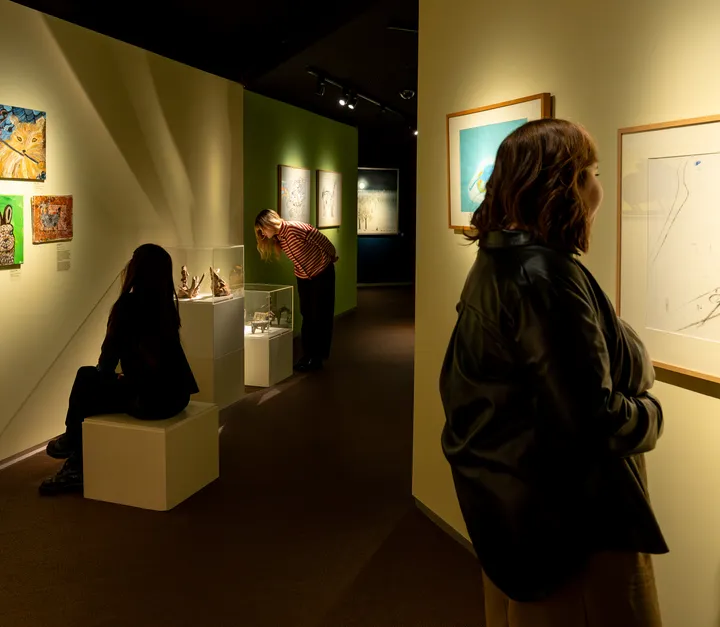
A maze-like layout invites you to freely wonder and get lost in the little worlds you discover. Are you at the farm, in the air, or deep into your own fantasy? Vibrant colors, subtle soundscapes and tactile elements enhance each world’s distinct atmosphere. The different themes are never spelled out explicitly, we leave it up to the observant visitors to sense a change each time they turn a corner.
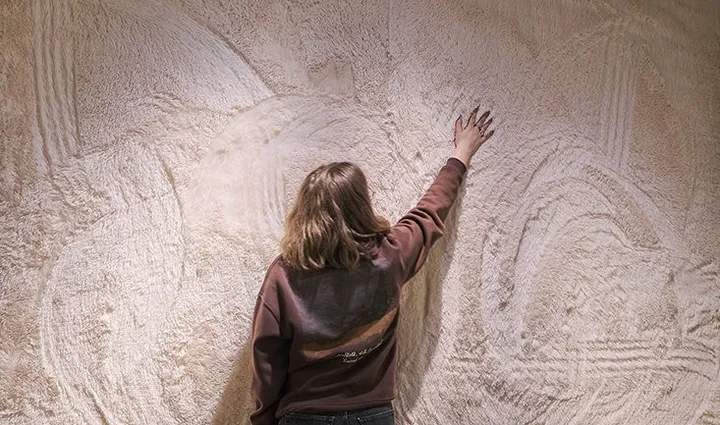
Three-part collage
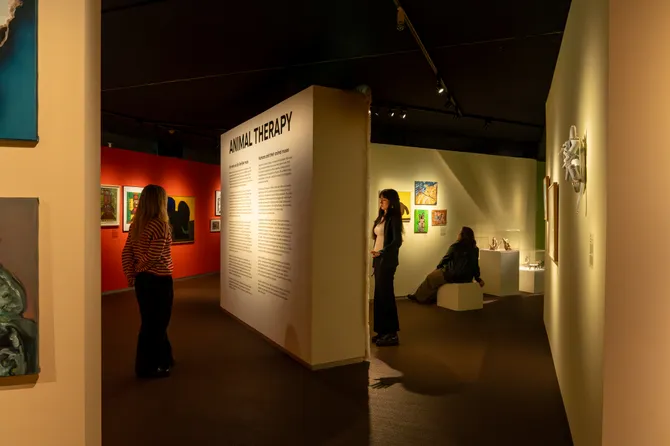
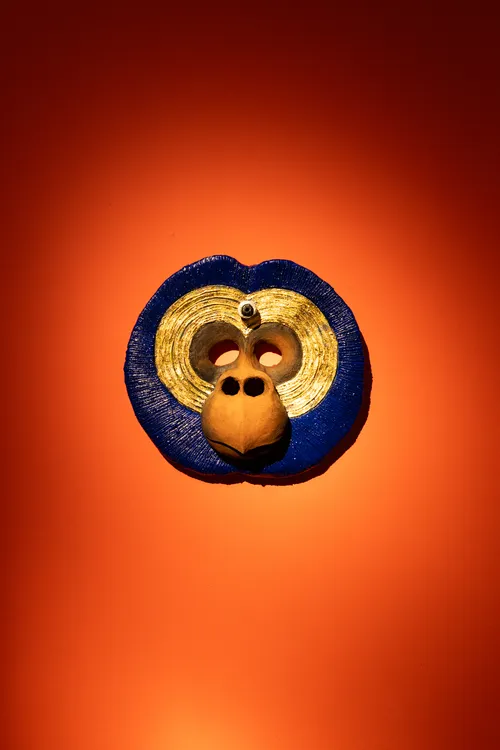
Art is therapeutic, come make some!
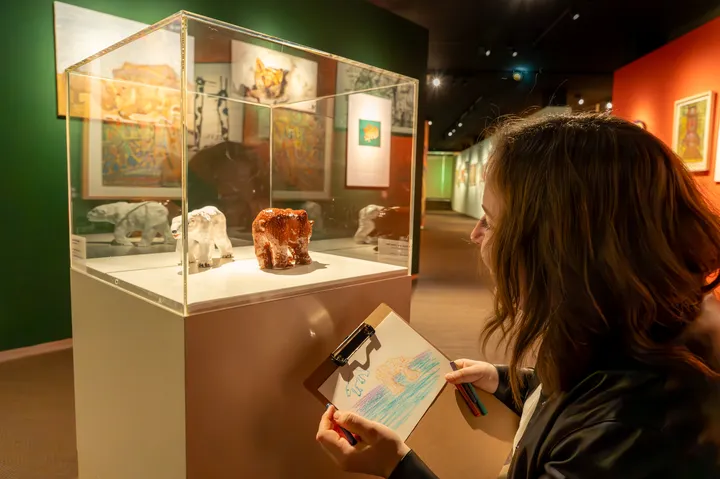
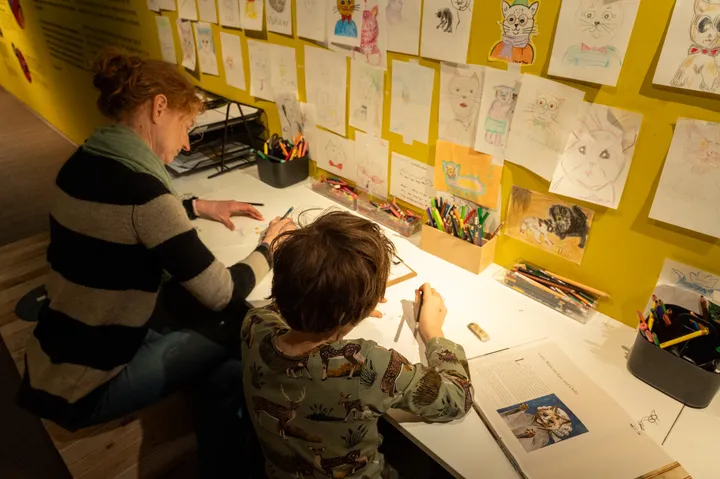
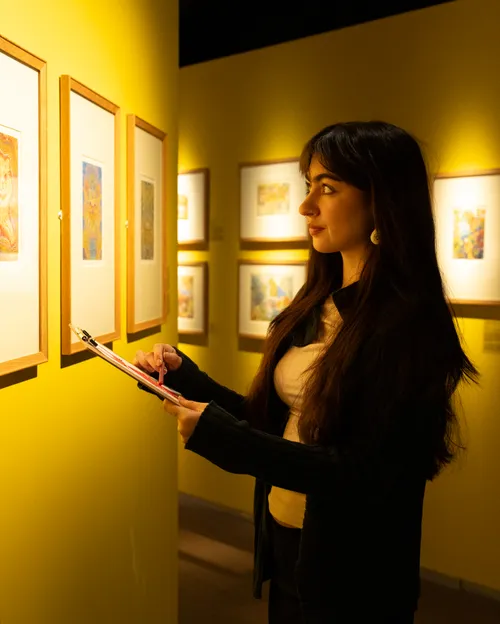
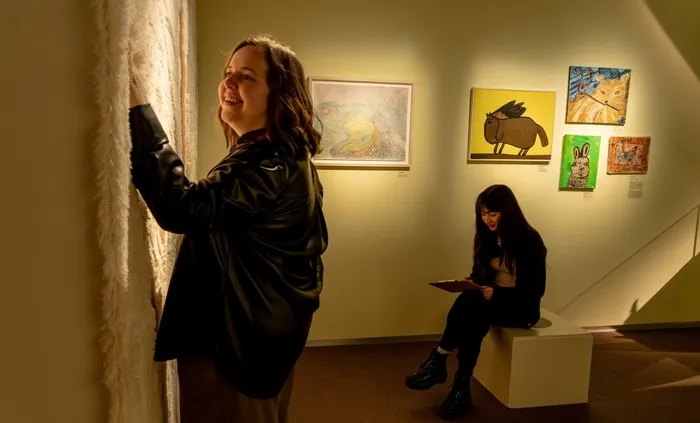
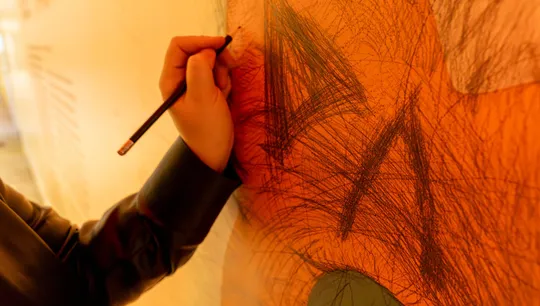
Art can help us pause, reflect, and feel. It’s therapeutic – not just to encounter art, but to make art yourself. Animal Therapy extends an open invitation to create. Grab a clipboard and get inspired by the collection pieces directly in front of you. Crayons or paint? No problem! All materials are allowed. Come up with your own composition or follow one of the prompts to make your own unique animal.
Three-part collage
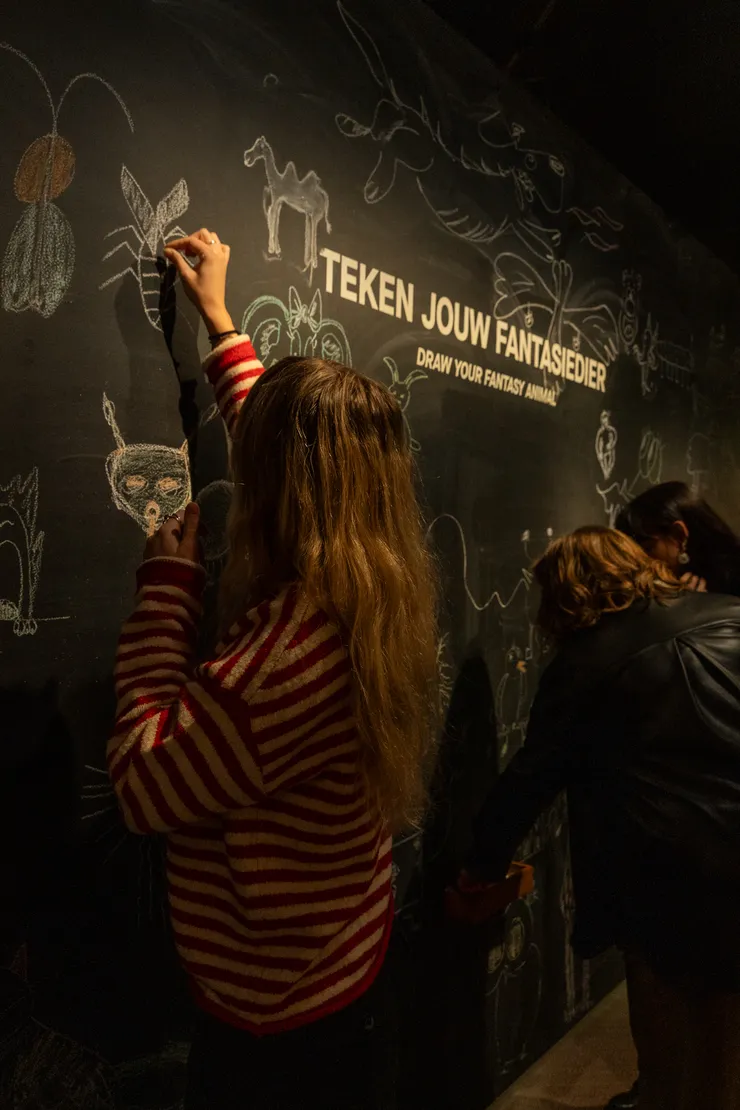
We want Animal Therapy to feel like an artistic meditative exercise.
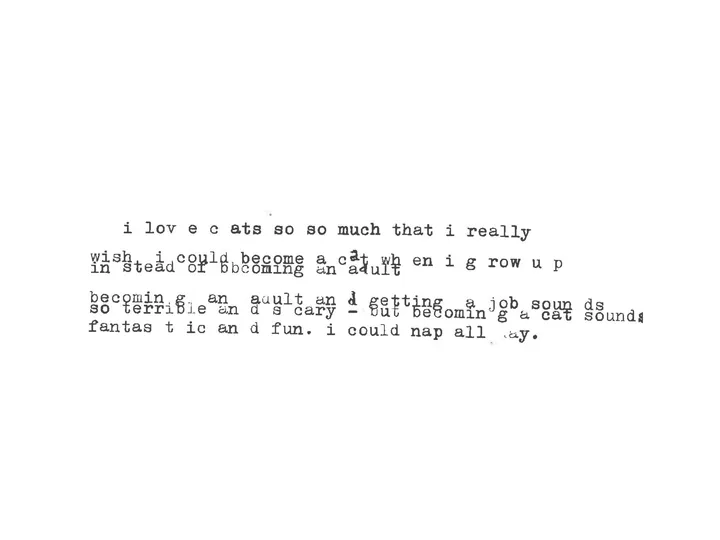
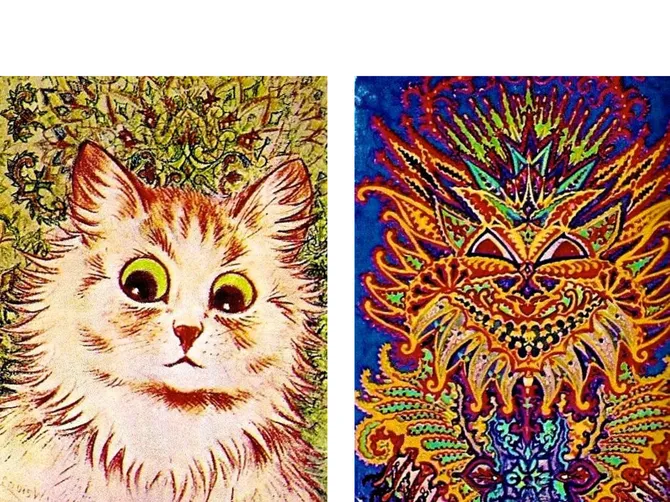
Worth a look if you are interested in mental illness, or cats.
Quick decisions and intuitive compositions
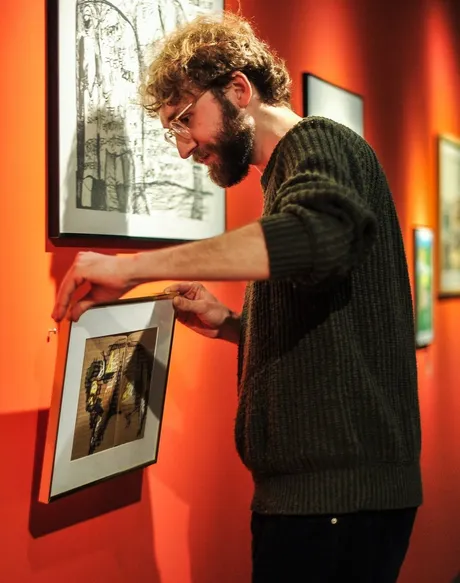
Designing Animal Therapy was an exercise in composition and pace on a small scale. We aimed for a maximum contrast between themes and colors to create that feeling of multiple worlds. The limited timeframe challenged us to make decisions quickly. There was no time for technical drawings that specify exactly where each art piece goes on the wall. Instead, we made these compositions on the spot, as the art was being placed on the wall. Being present allowed us to intuitively design and respond to the space.